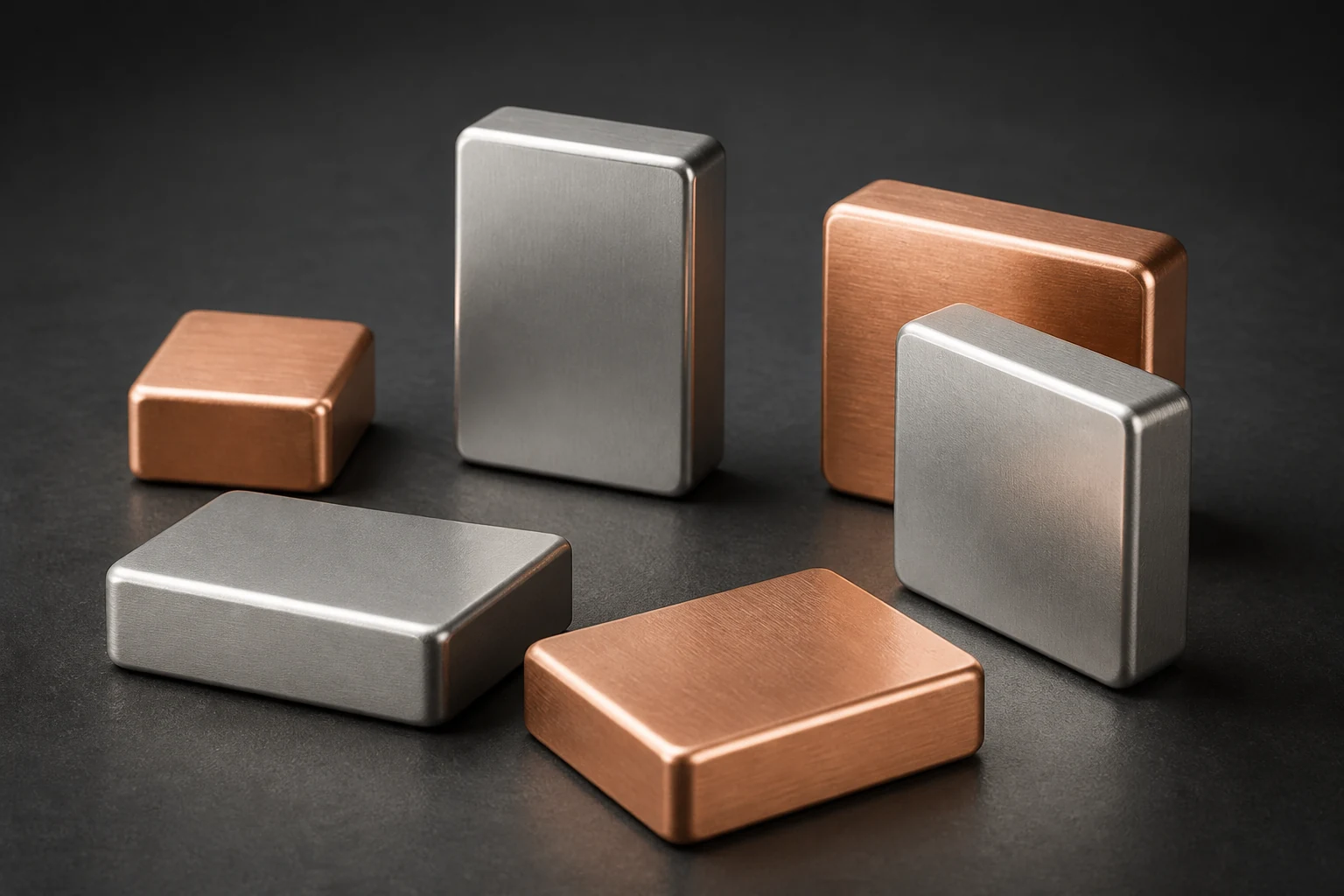
List independently identifiable UPS copper parts on separate BOM rows and state their conducting, wiring or fastening function. Bind each row to a drawing revision and per-board quantity, then supply the batch board count, additional material and solder-process packaging requirements.
Group by circuit and assembly location
TI's UPS resources cover different architectures; three-phase designs involve battery backup, drive, sensing and front-end PFC functions. Map the purchasing list to actual boards and circuits rather than assigning the same current to every part from total UPS power.
Map strips and blocks to current paths, solder terminals to external conductors and SMT nuts to fastening locations. Preserve both electrical and structural requirements for dual-purpose parts. Do not assume every fastener carries the main current.
Make each row traceable to a drawing
Include part identity, drawing revision, function, quantity per board, material/finish, mounting and packaging. Define a block's solder face and mating dimensions, a terminal's pins/holes and wire interface, and a nut's thread, mounted height and tightening conditions.
Give common parts one identity and distinguish mirrored or different-height variants. ISO 7200 covers technical-document identification fields; the BOM format and these hardware requirements remain project agreements.
Confirm quantity and process delivery separately
Calculate net demand from per-board use and the batch board count, then list agreed additional material separately. Quote pilot and production quantities independently. Annual forecasts support planning without becoming purchase commitments.
For SMT parts specify tape orientation, pickup face and packaging. Supply solder-process and access information for through-hole parts. Even in a kit quotation, retain itemized packaging, inspection and one-time tooling charges for comparison.
Frequently asked questions
Can a board photograph establish a production quotation? It identifies the category, but formal comparison needs identifiable parts, dimensions, revisions and quantities.
Can one current value cover the whole kit? Define each path and thermal boundary; total equipment power does not replace connection-specific operating data.
UPS project RFQ inputs
Provide the board BOM, part drawings and annotated layout with current definitions, temperatures, solder process and batch size. The UPS application link helps distinguish strips, blocks, terminals and nuts; the drawing-RFQ link identifies the product needing review.
Apply this guide to a project
Use product pages to identify the hardware family and the calculator for early estimates only. Acceptance depends on drawings, operating conditions and project tests.