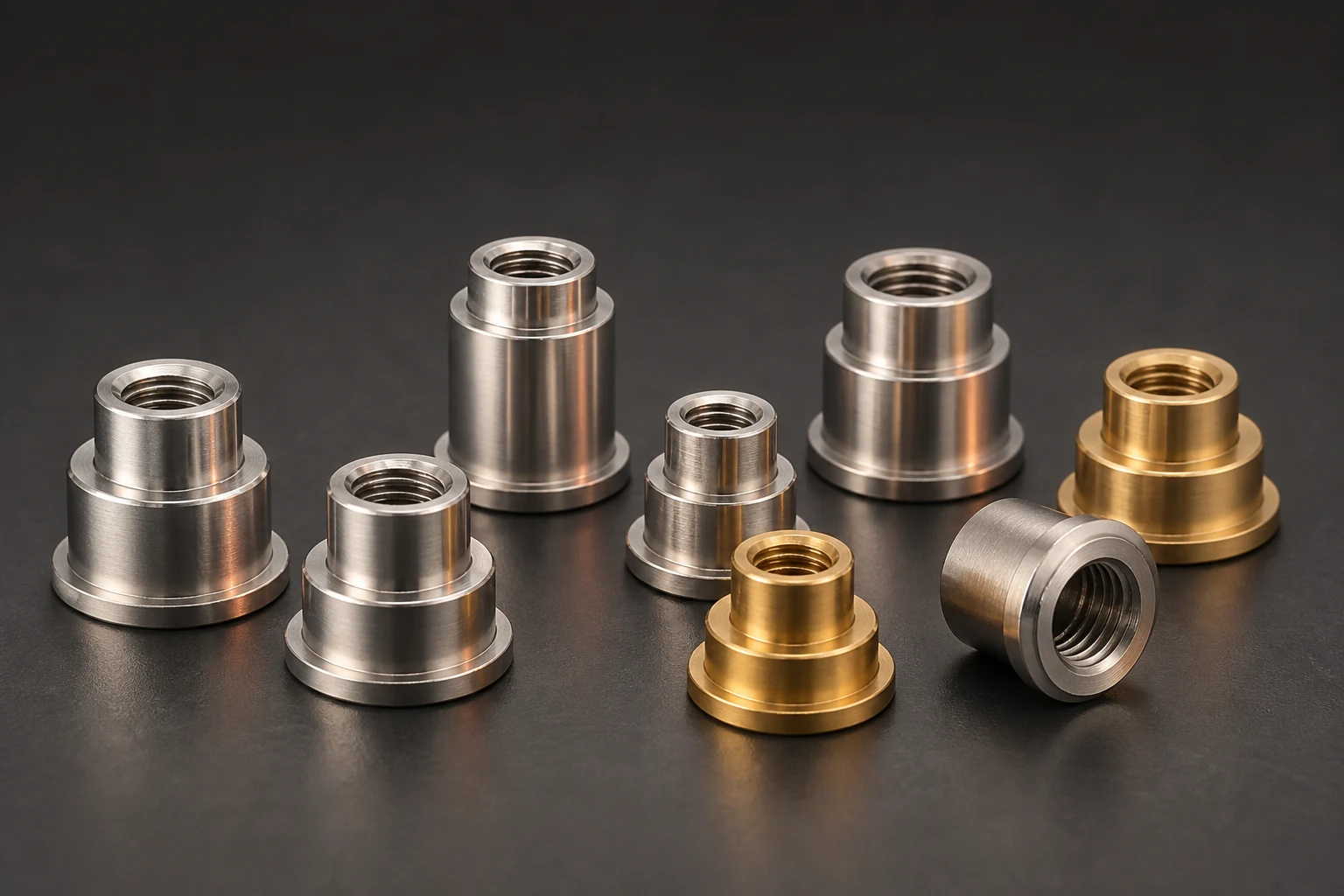
When SMT busbars or metal hardware need auxiliary adhesive, identify the process stage it supports before checking substrates and soldering. Adhesive for small SMDs is not automatically suitable for heavier metal parts and does not replace agreed solder or mechanical connections. Validate material, dot geometry and cure together.
Check suitability against the soldering sequence
Henkel describes LOCTITE 3616 for retaining SMDs on PCBs before wave soldering, with heat curing and discussion of printing and dot heights. That specific purpose informs review; it does not establish suitability for metal busbars, every solder mask or double-sided reflow.
We recommend giving adhesive and assembly owners the retention purpose, dispensing and placement sequence, curing and subsequent thermal processes. Identify metal finishes, PCB surfaces, cleaners and service environment, and request relevant product documentation. Use actual material requirements for working time, storage and cure instead of copying another adhesive's profile.
Keep adhesive clear of functional connection areas
We recommend drawing allowed dot locations and separate keep-outs for pads, current contacts, threads and mating surfaces. Validate quantity and height against tolerances, checking whether placement lifts the part, alters coplanarity or squeezes adhesive into functional areas. Adhesive on electrical contacts requires renewed review.
Use representative parts to check printing or dispensing consistency and movement during waiting, handling and heating. Record insufficient adhesive, overflow and offsets separately. Photographs show position; cure and connection performance still need agreed verification.
Validate cure, soldering and rework as one sequence
We recommend verifying the adhesive's thermal history on actual boards, recording material batches, programs and part condition. Reassess changes in busbar geometry or board layers. Check retention, soldering, cleaning residues and electrical function against project requirements rather than releasing parts solely because adhesive feels hard.
Auxiliary retention can change removal, so define rework tools, supports and reinspection during sample review. Do not twist metal parts or pull pads to demonstrate adhesion, or work on energized boards. Review soldering and rework after adhesive or quantity changes; a successful trial is not a production-yield guarantee.
- Identify retention purpose and qualified process
- Define adhesive and functional-area boundaries
- Validate cure, soldering, cleaning and rework
Frequently asked questions
Can pre-wave SMD adhesive be used directly on reflowed busbars? Have material and assembly owners confirm the actual substrates and thermal process.
Can adhesive justify smaller pads or removing supports? Reassess electrical, mechanical and assembly requirements; no automatic substitution is established.
RFQ inputs for hardware and assembly sequence
Provide part and PCB drawings, finishes, dots and keep-outs, soldering and cleaning. Define retention goals, adhesive-selection ownership and rework requirements. Agree sample checks and change review, separating hardware supply, adhesive selection and board assembly responsibilities.
Apply this guide to a project
Use product pages to identify the hardware family and the calculator for early estimates only. Acceptance depends on drawings, operating conditions and project tests.