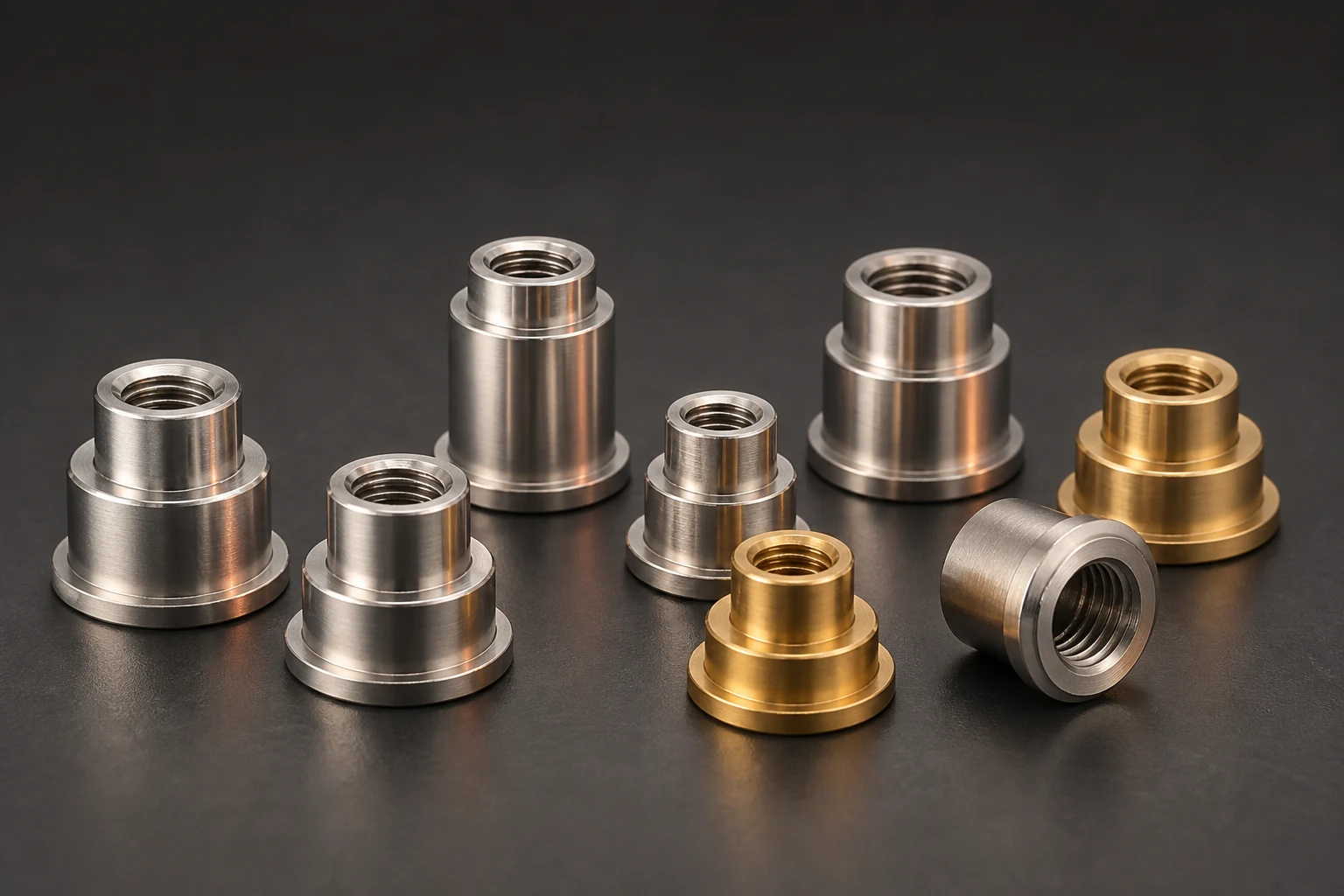
Validate SMT hardware pickup with the actual nozzle, feeder and motion conditions. Tape-and-reel supply alone does not establish compatibility with every placement machine. Define the built-in pickup zone or cap, then review pickup, vision, placement and removal as one process.
Review built-in pickup zones and caps separately
Harwin describes built-in vacuum pickup zones for some SMT sockets, and disposable caps where needed on Kontrol connectors. Both are product-specific design choices; a visually flat metal top alone is not qualification.
We recommend drawing pickup zones, prohibited functional faces and cap identities. Review nozzle contact against threads, openings, burrs and finishes. Do not improvise adhesive tape on electrical contacts as an unqualified cap; residue and adhesive suitability need review.
Validate pickup and orientation together
Use actual feeders and representative samples to record pickup height, nozzle position, vacuum monitoring and motion conditions. Separate failed pickup, transport rotation, recognition errors and placement offsets instead of treating every failure as inadequate suction.
Keep part balance, recognizable features and cap geometry consistent with programs. Validate feed orientation and PCB coordinates rather than confusing vision rotation with drawing orientation. Symmetric outlines can still have directional contacts, holes or insulation.
Include removal without loading the soldered connection
We recommend agreeing whether caps tolerate reflow, removal timing, direction and support with part and assembly owners. Do not assume any temporary cap suits every thermal profile or test removal by pulling the hardware body. Include removal in board validation.
Inspect remaining cap material or adhesive, part position and solder attachment before approved functional checks. Review trial needs after nozzle, cap, part-mass or feeder changes. Retain equipment conditions and failure classifications; one successful pickup cannot establish production yield.
- Define pickup zones, prohibited faces and caps
- Validate transport, recognition and placement
- Agree removal, residue and attachment checks
Frequently asked questions
Does reeled supply mean ready-to-run placement? No. Match nozzles, feeders and programs.
Can the cap remain on the final board? Confirm its purpose and assembly requirements rather than assuming it is a finished component.
RFQ inputs for automated assembly
Provide equipment, feed method, nozzle contact envelope, drawings, orientation, vision and reflow conditions. Agree caps, first articles, removal, residue checks and failure reporting before establishing assembly suitability.
Apply this guide to a project
Use product pages to identify the hardware family and the calculator for early estimates only. Acceptance depends on drawings, operating conditions and project tests.