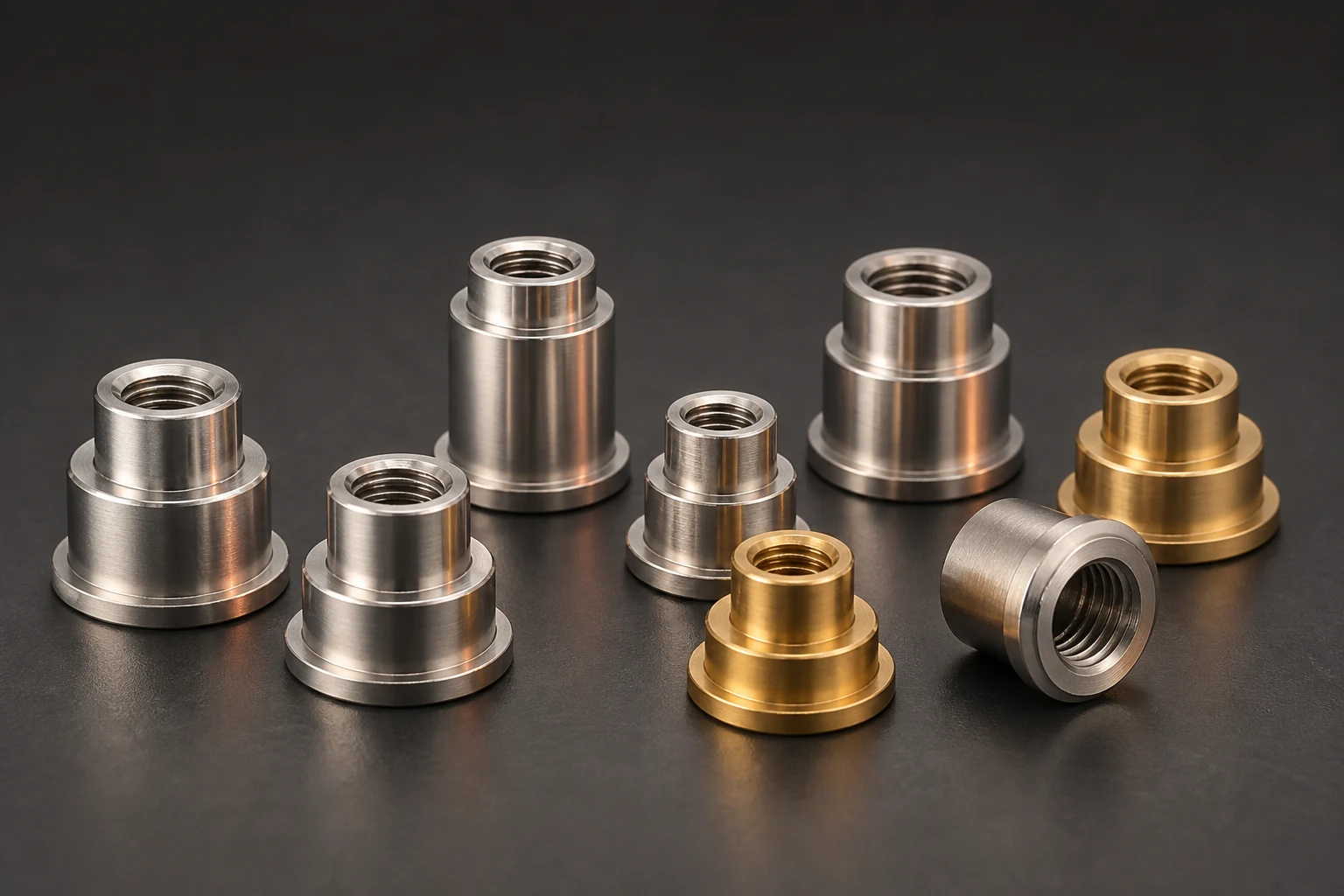
Set ESD packaging requirements from the actual contents and handling environment. Bare nuts or busbars should not automatically receive a complete PCB's sensitivity classification. Once assembled with sensitive devices, packaging, transfer and rework must follow the factory's ESD control program.
Separate bare-part risks from assembly protection
EOS/ESD Association explains that conductors can also acquire charge through contact and separation. We recommend reviewing hardware, trays and tools entering placement or test areas, especially metal supported by insulating materials. Conductivity does not guarantee grounding or absence of risk to nearby sensitive devices.
Have the factory ESD owner determine any inherent part sensitivity and its process implications. After assembly, follow the PCB's device and product requirements. Do not invent hardware HBM or CDM ratings or board immunity from the metal part's name.
Match packaging properties to the handling route
IEC 61340-5-3:2022 covers packaging properties and evaluation for sensitive devices during production, rework, transport and storage. EOS/ESD Association distinguishes low charging and conductive or dissipative properties and emphasizes discharge shielding when sensitive items leave an EPA.
We recommend mapping feeding, returns, work-in-progress, test and shipping routes, including exposed states. Color, material name or an antistatic label alone does not qualify packaging. Specify part identity, contact layer, closure, service conditions and relevant test evidence.
Review ESD, mechanical and solder-surface requirements together
Review carrier and cover tape together, tray contact surfaces, containers and final packaging. Retain methods, specimen conditions and report revisions. Have the ESD owner define in-use verification and retirement rules covering reopening, cleaning and consumable replacement. Testing bag film alone may not represent the complete package.
Packaging must also protect solderable faces, holes and coplanarity. Review shedding, contamination, movement and handling, but mechanical acceptance does not remove ESD review. Include unpacking, repacking and rework in approved instructions rather than substituting ordinary bags ad hoc.
- Determine actual bare-part and assembly protection needs
- Define EPA boundaries and exposed transfer states
- Freeze packaging identity, use and verification records
Frequently asked questions
Does a black tray provide discharge shielding? Color cannot establish performance. Review evidence for the specific packaging.
Can nonsensitive bare metal enter production without restrictions? Follow factory ESD requirements and assess effects of the hardware, tools and packaging on sensitive devices.
RFQ inputs for packaging and handling
Provide hardware drawings, tape or tray requirements, the factory ESD specification, unpacking environment and assembled-board transfer routes. Separate bare-part supply from board-packaging responsibilities. Agree materials, evidence, labels and change notices without presenting a material test as factory ESD certification.
Apply this guide to a project
Use product pages to identify the hardware family and the calculator for early estimates only. Acceptance depends on drawings, operating conditions and project tests.