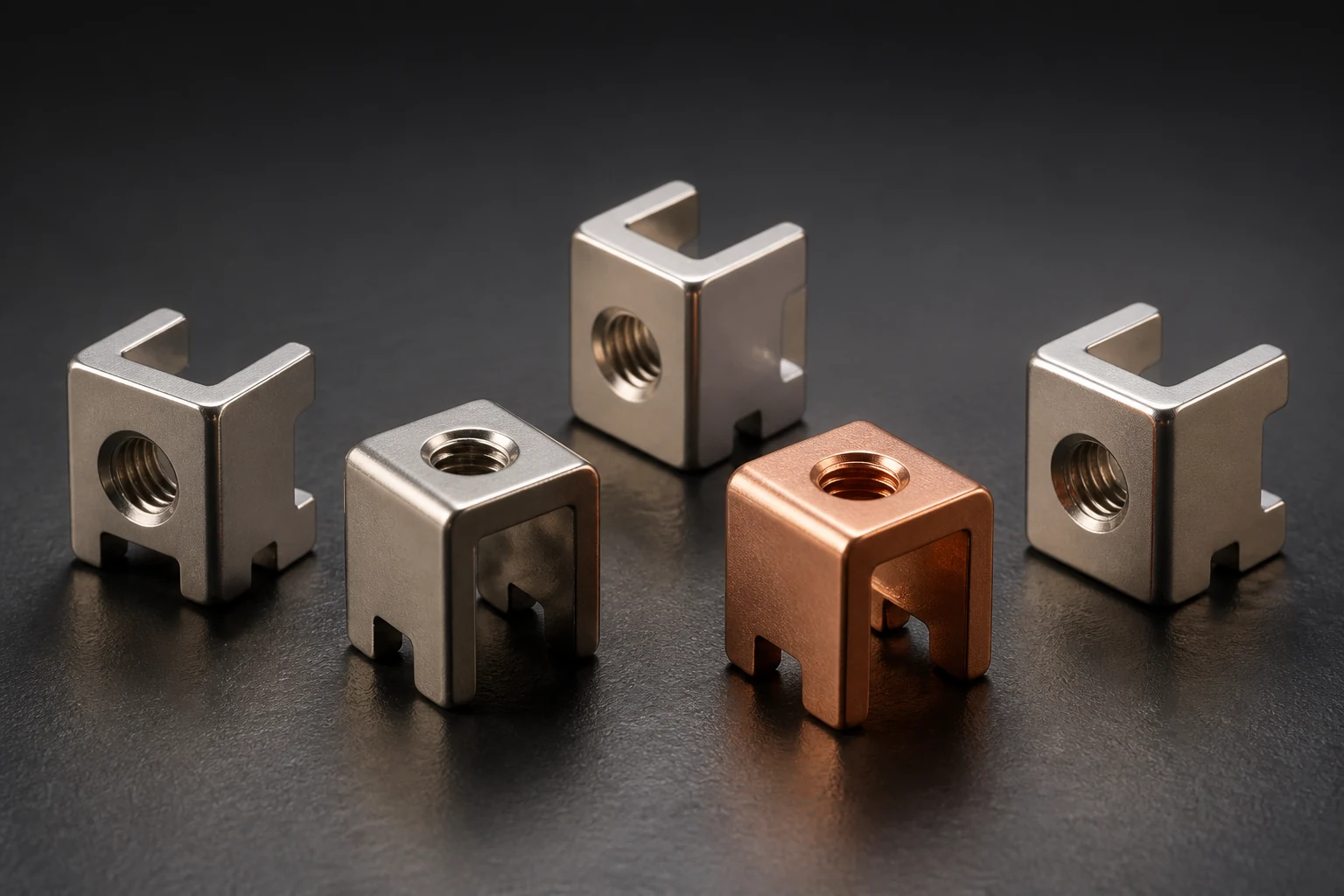
Assess stored SMT hardware using lot storage history and representative soldering tests. Normal-looking plating does not establish wetting, and changing paste or raising temperature cannot replace acceptance. Define solderable areas, methods and criteria before release or isolation.
Recover lot and storage history
Record finish, manufacture and packing dates, opening and resealing, temperature and humidity history, contamination or cleaning and supplier storage instructions. Restore traceability before using samples to qualify mixed material.
Moisture sensitivity, moisture-protective packaging and metal solderability are different controls. Bare-metal parts and hardware containing plastics or other materials need their own product requirements; do not apply a semiconductor baking schedule to all SMT hardware.
Separate solderability from resistance to soldering heat
IEC 60068-2-58:2015+AMD1:2017 addresses SMD solderability and soldering-heat tests. Check IEC 60068-2-20:2021 for devices with leads and leads themselves. Select the applicable method based on construction, joining route and product specification.
Wetting assessment asks whether solder covers the specified area under defined conditions. Heat-resistance assessment asks whether the part tolerates the defined thermal process. Neither test alone establishes final PCB joint strength.
Match test conditions to the process
Lock solder alloy, flux, preconditioning, tested area, temperature-time conditions and evaluation method. IEC 60068-2-58 distinguishes bath and reflow methods with suitability tied to the specimen's intended process. Select severity through the applicable specification.
An approved reference lot and the lot under review can be tested together using the same method. Retain original images and locations of non-wetting, dewetting or abnormal coverage. Color on a non-solderable face is not a whole-part acceptance test.
- Select traceable samples and identify solderable areas and finish requirements
- Fix alloy, flux, preconditioning and acceptance criteria and retain original results
- Build representative PCB assemblies and inspect solder distribution, coplanarity and mechanical connection
Frequently asked questions
Must all stock older than a set number of months be scrapped? Follow the applicable storage limits and retest procedure; there is no universal shelf life here for every finish.
Will baking restore solderability? Purpose and parameters must suit the materials. Baking cannot be assumed to remove all oxidation or contamination; investigate abnormal lots and approve disposition.
Prevent acceptance disputes in purchasing
Agree finish on solderable areas, packaging, storage, delivery solderability evidence, retest triggers and disposition. Include PCB lands, paste and reflow inputs so test records can be related to the actual assembly.
Apply this guide to a project
Use product pages to identify the hardware family and the calculator for early estimates only. Acceptance depends on drawings, operating conditions and project tests.