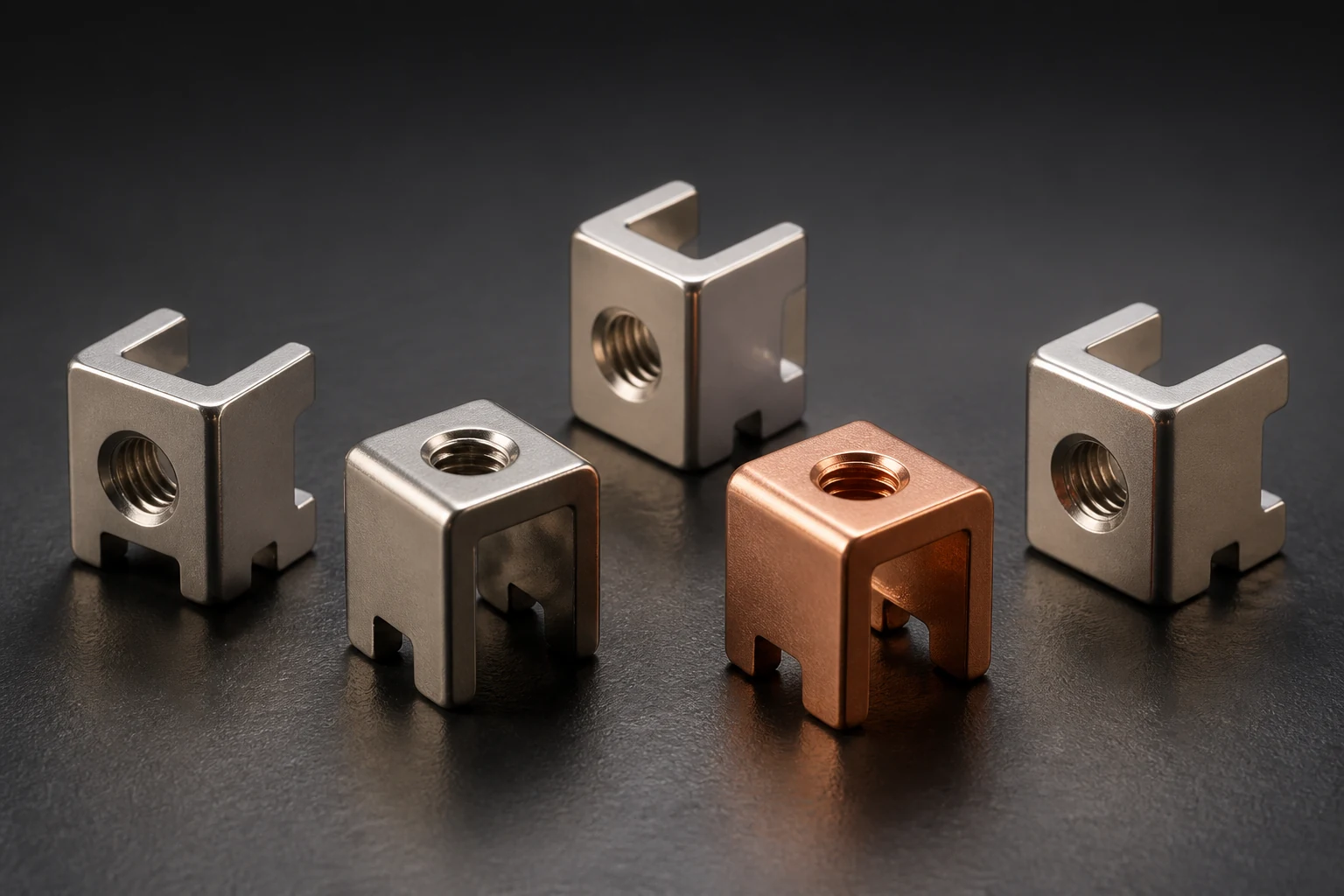
When selectively soldering copper terminals under nitrogen, verify shielding in the actual process area and operating state rather than relying only on cylinder or generator purity. UPS power boards also require evidence for through-hole wetting, thermal input and joint quality. Nitrogen helps limit oxidation during soldering but does not replace a process for existing oxides.
Separate gas supply from the atmosphere at the joint
Kurtz Ersa describes inert-gas soldering as displacing oxygen to reduce oxidation of components and molten solder. One of its selective-solder systems directs heated nitrogen around the nozzle. That is a specific equipment example, not proof that all nozzles, fixtures or stations provide the same coverage.
Record the gas supply specification, line and nozzle configuration, flow setting and equipment-approved oxygen measurement method separately. The probe location should represent the region under review, and its position and operating state should be recorded. Supply purity, the machine display and the atmosphere around the joint are distinct evidence.
Review the nozzle, obstructions and thermal mass together
Show pins, plated holes, power copper layers, nearby components and the fixture in the assembly. Include solder path, nozzle position and obstructions in representative trials. A measurement on an empty board does not automatically describe shielding on the populated assembly. Physical access does not by itself demonstrate appropriate heat input or wetting.
Large copper parts, heavy copper layers and paths to heat-dissipating structures change the assembly thermal response. The process owner should establish preheat, contact and temperature records using representative boards, with the actual solder and flux documentation. Do not transfer oxygen limits, flow rates or dwell times from another machine or terminal.
Validate joints rather than the gas reading alone
Indium's discussion of reflow notes that nitrogen itself does not remove existing surface oxide as a flux does. This principle helps identify incoming surface risks for selective soldering, but reflow equipment settings cannot be transferred directly. Terminal finish, storage, cleaning and the flux must be reviewed separately.
Retain terminal and board lots, machine and nozzle condition, atmosphere measurement setup, program revision and representative joint photographs. Inspect wetting, bridging and hole fill as required by the project, adding sections and mechanical or electrical checks where appropriate. The applicable specification and product owner define sampling and acceptance. A stable oxygen reading does not automatically qualify every joint.
Frequently asked questions
Does compliant supply purity establish oxygen at the solder joint? Verify measurement position and shielding under the installed process conditions.
Does nitrogen replace flux or remedy long-oxidized terminals? The surface condition and applicable soldering process still require review.
Can heat input be reduced just because nitrogen is used? Revalidate preheat and soldering on representative power boards.
UPS PCB power terminal inquiry inputs
Share terminal drawings, pin and hole positions, material and finish, PCB copper layers, nearby components and intended process, plus sample and volume needs. Separate terminal supply, process trials, atmosphere measurement and joint or electrical validation. Drawings can be emailed to sales after the initial request.
Apply this guide to a project
Use product pages to identify the hardware family and the calculator for early estimates only. Acceptance depends on drawings, operating conditions and project tests.