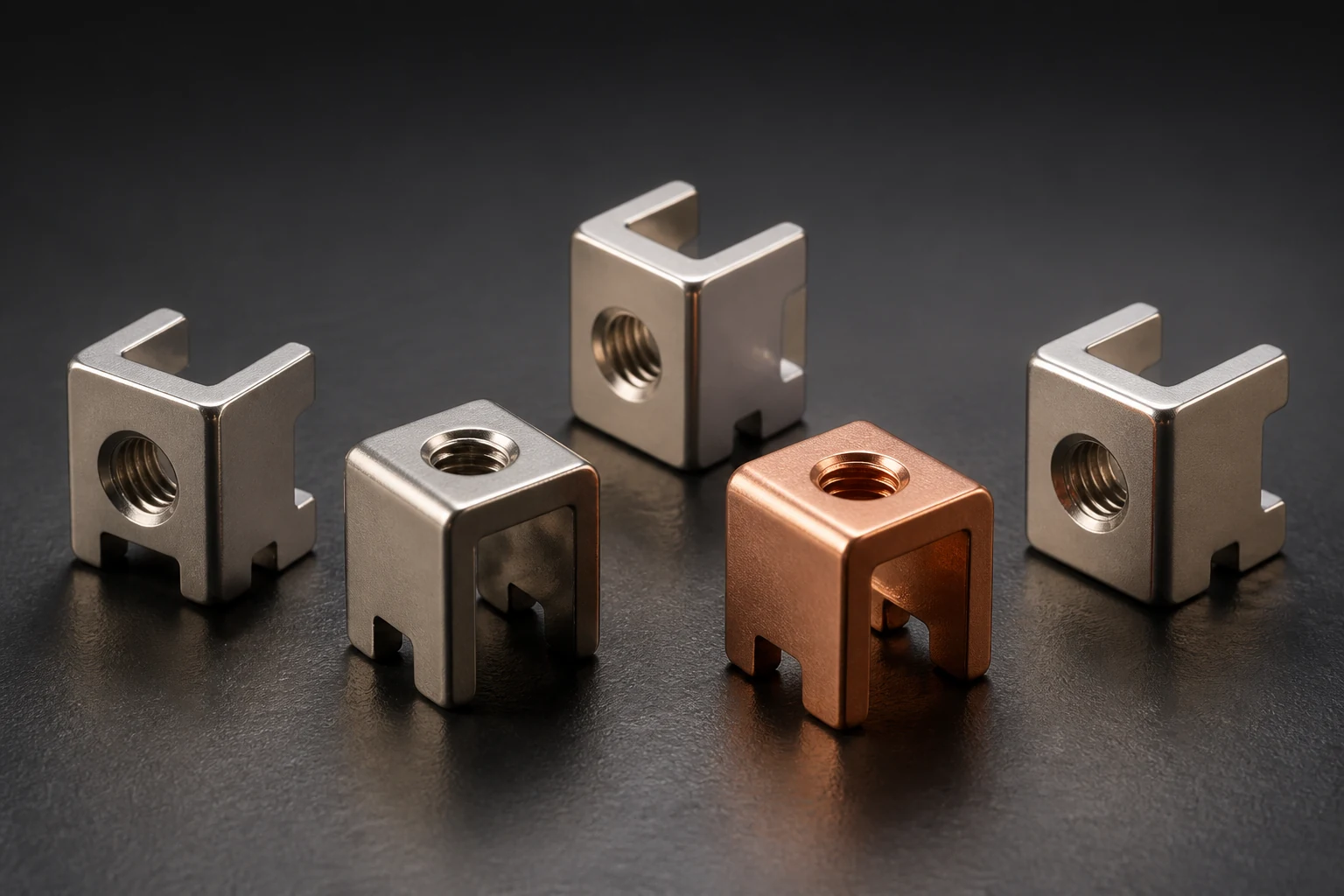
Identify the solder region, finish construction/thickness, solder alloy and applicable quality requirements before soldering a gold-plated PCB copper terminal. Gold removal depends on the governing process and actual structure. Visible wetting alone does not establish long-term joint reliability.
Separate solder tails from mating contacts
Indium's application note explains that tin-based solder dissolves gold and that brittle intermetallic formation can threaten a joint. Mark solder tails separately from contact regions whose functional finish must remain.
A plated mating contact, a heavily plated termination and a thin PCB immersion-gold finish cannot receive one treatment merely because they look alike. Obtain finish records rather than inferring thickness from appearance.
Apply requirements within their actual scope
NASA-STD-6016 addresses gold removal for specified mission-critical spacecraft hardware. It is not a universal certification clause for UPS or motor-controller boards.
Have quality and process owners identify the governing requirements, approved methods and acceptance evidence. Where pretinning or another treatment is required, review the resulting surface and heat history; scraping away a gold color is not a qualified removal process.
Review the alloy and sample-verification boundary
Record substrate, underplate, gold layer and actual solder alloy, then review solder area, solder quantity and process conditions. Do not transfer an empirical threshold for one alloy to every lead-free alloy or terminal geometry.
Retain before/after treatment batch and sample records. Agree joint and connection-reliability verification for the project. An alloy change also requires review of material restrictions, operating conditions and the board-assembly process.
Frequently asked questions
Does a shiny joint rule out gold embrittlement? Appearance alone cannot exclude material/interface risks.
Must every plated region be treated? Separate solder and functional contact regions and follow approved requirements instead of removing gold indiscriminately.
Motor-controller terminal RFQ inputs
Provide solder/contact-region drawings, finish records and solder requirements, including any removal or pretreatment specification. List treatment, sample and inspection questions without assuming a supplier holds spacecraft qualifications.
Apply this guide to a project
Use product pages to identify the hardware family and the calculator for early estimates only. Acceptance depends on drawings, operating conditions and project tests.