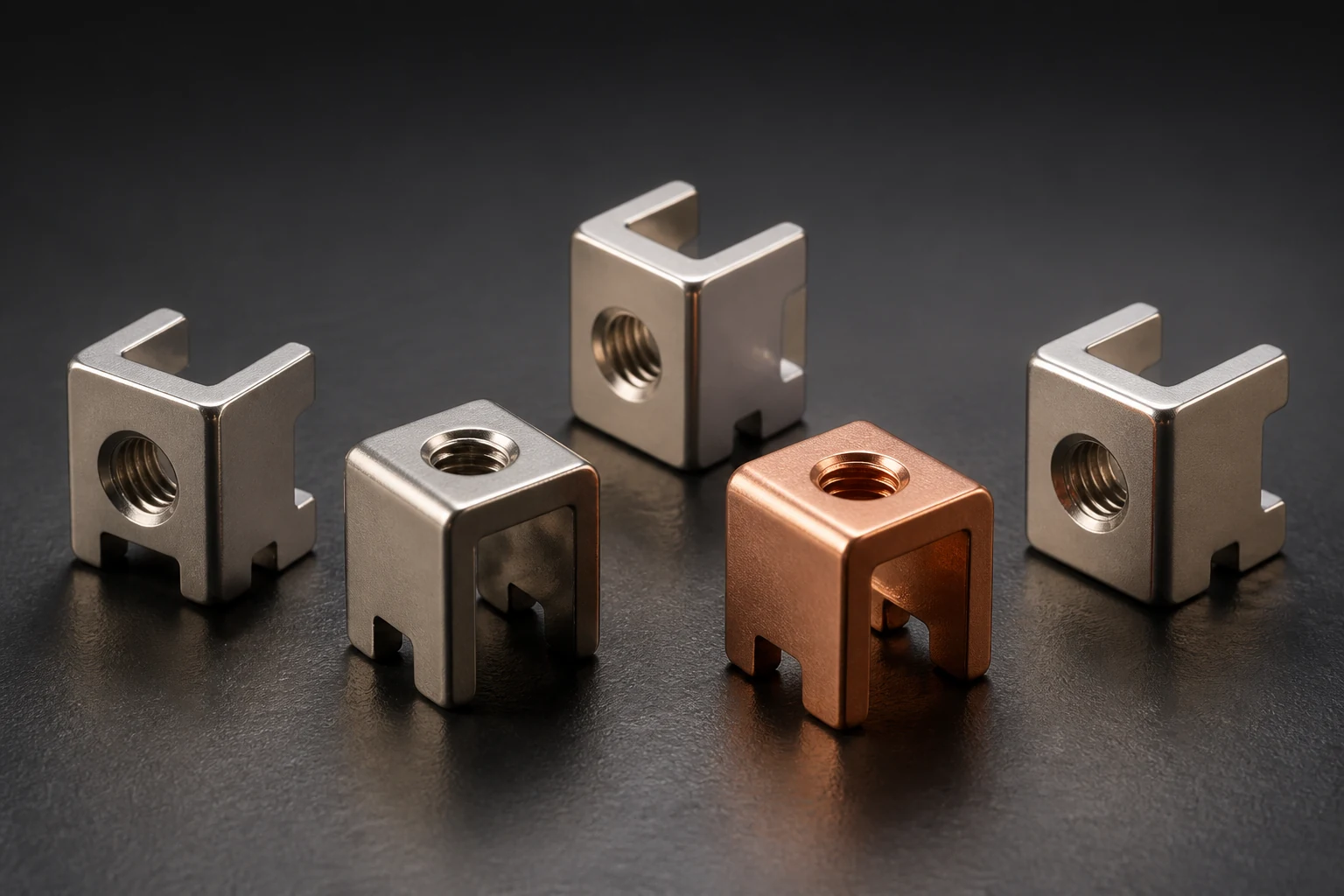
Assess laser soldering on the actual terminal, finish and PCB with defined optical access, solder supply and thermal history. Soldering heats filler to wet the joint and is distinct from laser fusion welding of copper. Supply joint locations and nearby structures before evaluating feasibility.
Define solder, joint and optical access
Kurtz Ersa describes laser soldering as focused contactless heating. This supports local heating assessment, not a shared process recipe for every large copper part.
Mark solder delivery, target wetting surfaces and permitted irradiation zones. Review shadows from terminals, nearby components and fixtures. Where the target is obscured, the process provider must establish beam access and inspection. A machine's ability to weld copper does not qualify this PCB solder joint.
Relate temperature observation to the joint
Kurtz Ersa Smart Production describes systems with a pyrometer, camera and process records. Check the actual proposed equipment and what each sensor observes rather than accepting a generic temperature control label.
Include terminal material, mass, finish, PCB copper and preheat in the specimen definition. Have the process provider establish laser, solder delivery and measurement conditions. Record actual joint and sensitive neighboring component heating, reviewing emissivity and obstruction. A software setpoint is not automatically every joint's temperature.
Create traceable sample acceptance evidence
Retain material lot, fixturing, solder quantity, flux, process curves and images. Check wetting, bridges, solder balls and specified hole fill or sections. Separately verify electrical, thermal and mechanical requirements for the power connection. Local appearance alone does not cover these checks.
Review requalification after terminal, finish, pad, solder or equipment changes. General equipment descriptions do not replace sample evidence. Tie acceptance to the actual materials, assembly revision and process records.
Frequently asked questions
Is laser soldering always preferable to an iron or selective soldering? Compare access, heating and quality requirements on representative assemblies.
Does contactless mean no PCB damage? Irradiation, heating and adjacent materials still require validation.
Motor controller terminal RFQ inputs
Send terminal and finish drawings, pads or holes, adjacent layout, solder and prohibited irradiation zones. Distinguish terminal supply from assembly process evaluation. Quote samples, records, sections and electrical or mechanical tests separately without assuming equipment capability or cycle time.
Apply this guide to a project
Use product pages to identify the hardware family and the calculator for early estimates only. Acceptance depends on drawings, operating conditions and project tests.