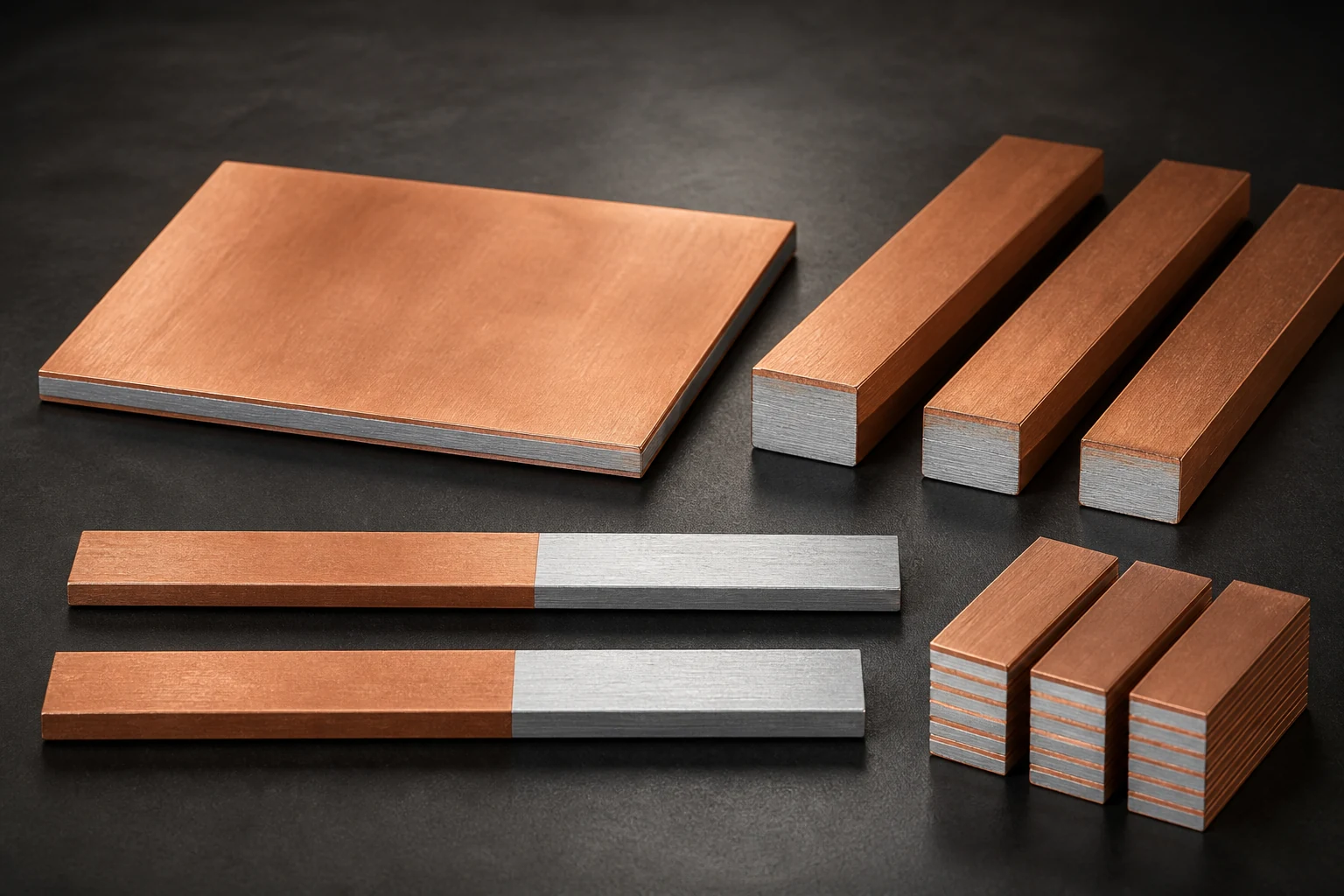
Validate a long Cu-Al busbar together with its complete shipping package. Establish the distribution mode, supports, isolation and pack-out before choosing an appropriate test plan. An intact outer box alone does not establish accepted straightness, insulation or contact surfaces.
Select a method for the actual distribution unit
ASTM D4169 evaluates shipping units through sequences of anticipated distribution hazards. ISTA distinguishes integrity screening from transport simulation. We recommend recording parcel, LTL or pallet shipping and handling before agreeing a method, rather than claiming that one screening test covers every route.
Record gross weight, dimensions, quantity and stacking arrangements. Loose long parts and unitized pallet loads need separate applicability review. Bare-busbar equipment-vibration testing does not replace packaged-unit validation.
Make supports and isolation reproducible
We recommend a drawing of supports, restraints, separators, end protection and strap positions. Review contact-surface collisions, insulation abrasion against edges or the box, and forced deformation of shaped parts. Do not use contact surfaces for unreviewed package clamping.
Retain packaging material identities, cushion geometry and actual pack-out photographs. Explain selection of representative long and heavy parts. Base samples, support spacing and severity on the actual package and method, not a universal drop height or spacing.
Agree opening rules and product criteria
D4169's public explanation calls for sequential performance testing on the same unopened shipping unit. Development-stage opening has a different purpose and affects evaluation of the closure system. State the purpose and opening rules, logging replacement, re-strapping or added cushioning.
Record package damage and product condition separately after testing. We recommend drawing-based checks of straightness, holes, contact surfaces and insulation, with any electrical reinspection agreed by the product owner. Review changes in packaging or quantity; one accepted test does not guarantee damage-free shipping.
- Match method to the shipping unit
- Control supports, isolation and pack-out revision
- Accept package and busbar condition separately
Frequently asked questions
Can an undamaged box waive busbar inspection? Check the agreed deformation, insulation and contact-surface criteria.
Does a thicker box replace validation? Restraints, supports and interactions between parts still need review in the complete combination.
RFQ packaging and shipping inputs
Provide drawings, weight, surface and insulation requirements, pack quantity and distribution mode. Agree packaging ownership, method and product acceptance, keeping supply-quality records distinct from transport validation. Obtain detailed severity from the responsible parties, not public summaries.
Apply this guide to a project
Use product pages to identify the hardware family and the calculator for early estimates only. Acceptance depends on drawings, operating conditions and project tests.