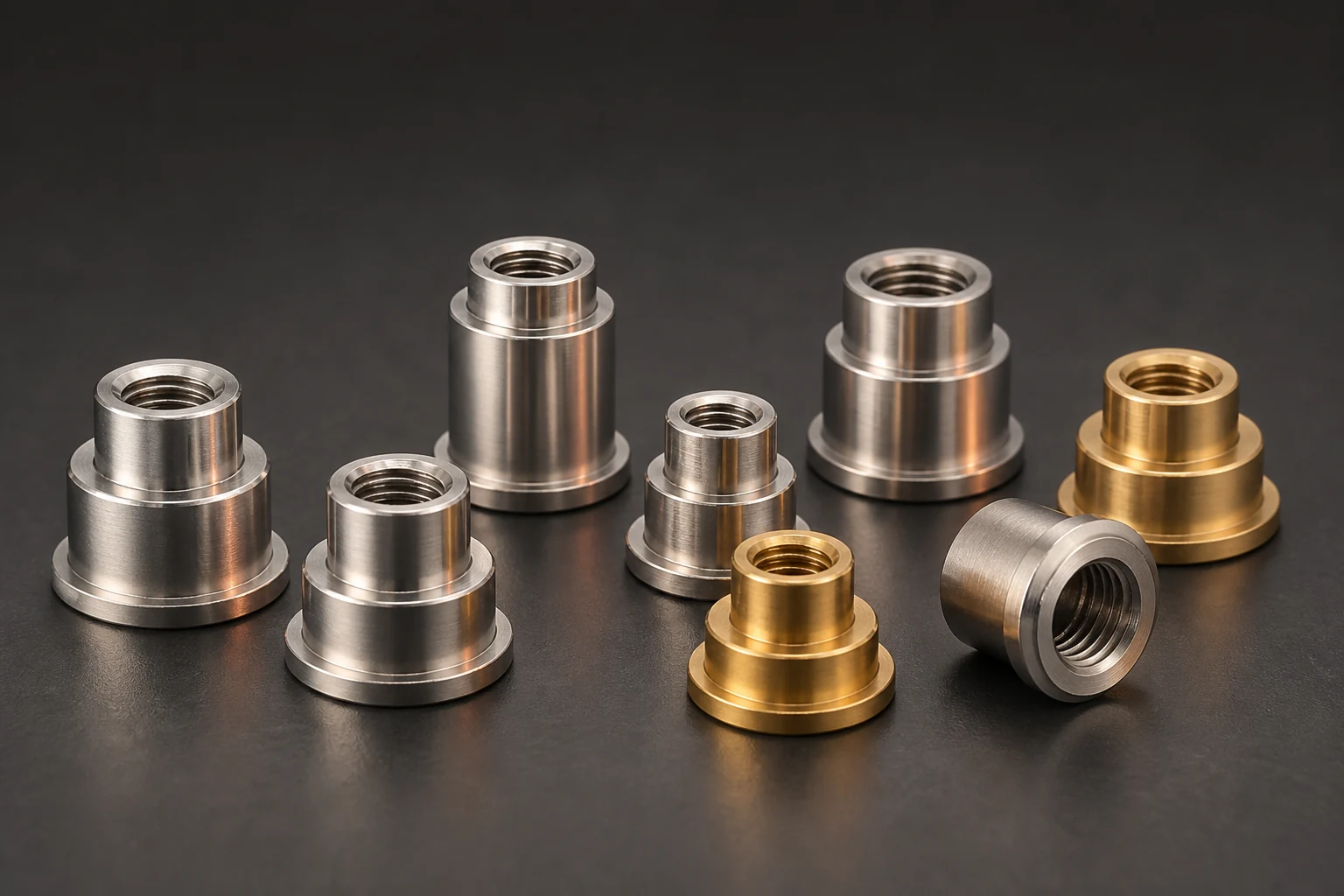
A hand torque tool certificate should cover the actual tool, operating direction and torque range. Calibration answers its stated measurement question. The thread, solder joint and PCB still need validation on the actual assembly; the certificate cannot establish an SMT nut's allowable torque.
Match tool type and operating range
ISO 6789-2's 2017 edition defines hand torque tool calibration and uncertainty methods for indicating and setting tools. Do not assume its name alone qualifies an electric assembly system. Select a procedure applicable to the actual tool type.
We recommend checking serial number, model, units, range, rotation direction and calibration points against the intended setting. Record bits, adaptors and operating arrangement. Have metrology or tool specialists assess differences from the calibration configuration rather than substituting visually similar accessories.
Read results and uncertainty alongside the statement
Norbar explains the role of observed error and uncertainty in interpreting torque calibration. Retain individual points, conditions, traceability and uncertainty expression. Display resolution and advertised accuracy are not substitutes for the uncertainty of this calibration.
For a conformity statement, review limits and decision rules with the calibration provider against workstation requirements. Preserve before and after adjustment data where supplied. A compliant result after adjustment does not retrospectively qualify every earlier joint; evaluate affected production through the quality process if a tool is out of tolerance.
Validate the actual nut and PCB load path
Use the specified screw, nut, washer, board and supports for assembly trials, observing pads, solder and board deformation. The same tool setting can accompany different friction and clamp conditions. Derive the target from joint design and validation, not merely a shared M4 or M5 designation.
Define workstation checks, abnormal tool handling and recalibration triggers through metrology and quality procedures. Assess repair, impact and configuration changes. Any retightening check needs an approved method; its reading is not automatically the original peak torque or residual clamp force.
Frequently asked questions
Does a current certificate replace pad strength testing? Tool measurement and joint verification remain separate tasks.
Should every tool follow one annual interval? Establish intervals through applicable procedures, use and history; this guide sets no universal period.
Motor controller SMT nut RFQ inputs
Provide nut and screw drawings, finishes, PCB pads and supports, assembly direction and tool configuration. Separate part supply, measurement documents, tightening trials and board acceptance. Include approved joint targets and criteria rather than choosing hardware from the tool's maximum torque.
Apply this guide to a project
Use product pages to identify the hardware family and the calculator for early estimates only. Acceptance depends on drawings, operating conditions and project tests.