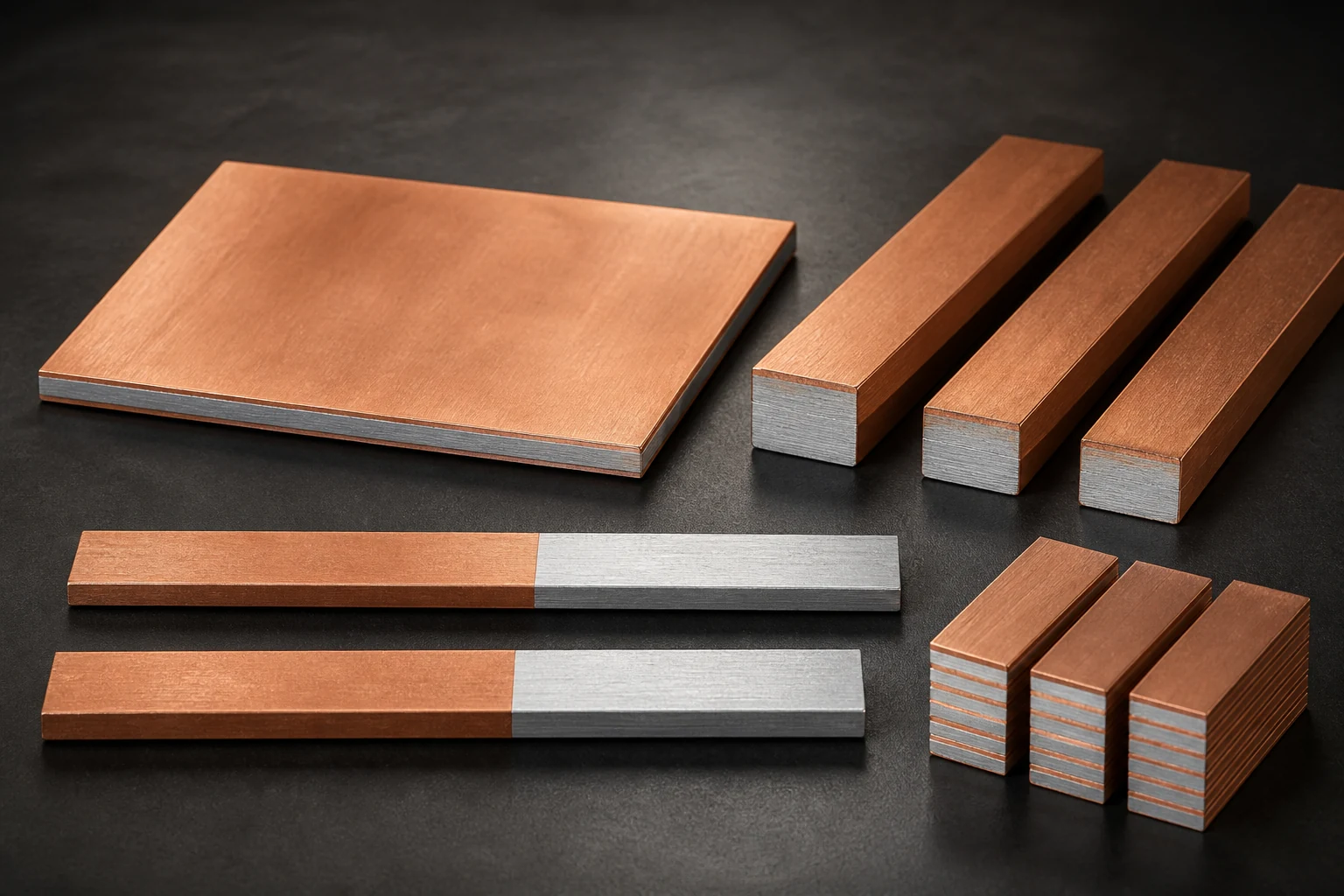
Battery-combiner hardware should make every branch path, contact face and service action inspectable. A Cu-Al transition terminal is a complete interface decision, not a conductor-section purchase alone.
Set the measurement datum for branches and the main collector
Map each branch, fuse or contactor interface, main collector, sensing point and ground. Record branch length, joining method, continuous and peak current, cooling and service direction before comparing drop and rise.
Define the exposure boundary of a Cu-Al interface
Copper-side and aluminium-side material, finish, cut edge, fastener, washer and seal define the interface state. State contact preparation, isolation, drainage and post-service inspection so environmental risk is not deferred to field assembly.
- Measure four-wire branch drop and rise at representative load
- Inspect end protection, insulation, torque and supported assembly state
- Repeat contact-state and traceability checks after temperature cycling and service removal
Quote the combiner structure with its acceptance evidence
Provide single-line diagram, branch count, copper and aluminium materials, layers or flexible links, holes, end preparation, finish, support, insulation, packaging, labels and batch traceability. Sample acceptance should use the installed direction, load and temperature locations.
Apply this guide to a project
Use product pages to identify the hardware family and the calculator for early estimates only. Acceptance depends on drawings, operating conditions and project tests.