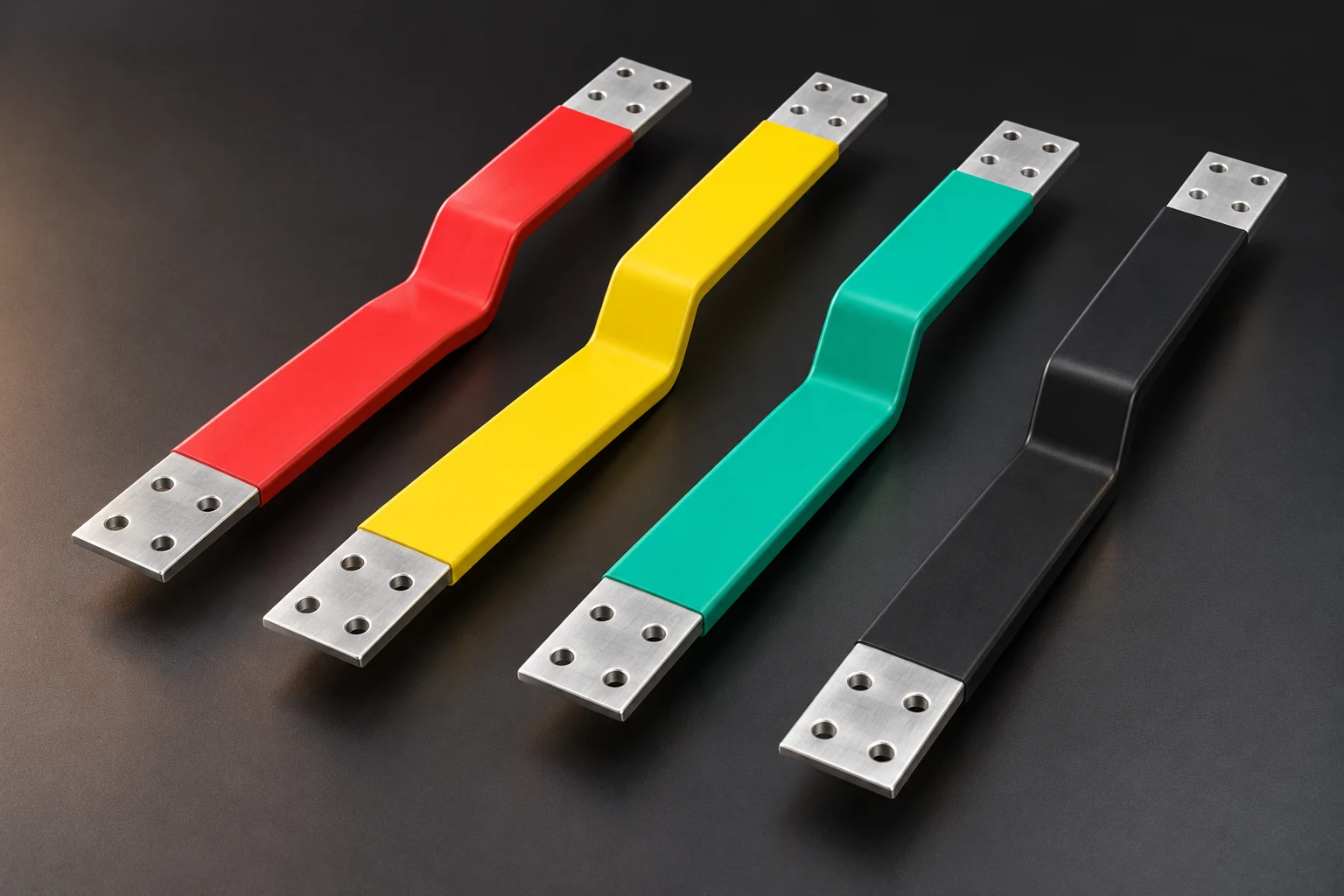
Before production, establish a controlled set of drawings, material construction, finish and insulation requirements. Link samples and validation records to that revision. Assess changes to holes, layers or insulation before deciding additional checks and the first affected batch.
Identify exactly what was reviewed
NASA's Systems Engineering Handbook describes configuration identification, baselines, change control and status records. These management concepts help organize purchasing documents; project participants must agree their own approval and validation requirements.
List drawing revision, layer construction, finish, insulation, assembly conditions and inspection items. Bind sample identity to the reports. A message saying a sample passed is insufficient when its corresponding drawing cannot be found.
Record the scope of sample approval
Distinguish dimensional appearance review, trial assembly and electrical/thermal validation under stated conditions. Record the tested combination, mounting and results, keeping untested items open. One successful fit check does not cover every variant or operating condition.
If prototype processing or substitute material differs from planned production, document the differences and their disposition. Agree which require production-state samples rather than treating a sample label as production authorization.
Give changes an effectivity point
Record old/new revisions, changed features, reasons and affected mating parts. Hole changes warrant assembly and contact-area review; layer or finish changes may affect electrical, thermal or environmental behavior. Insulation changes require coverage and safety review. Determine revalidation scope from the actual impact.
Agree the first order or batch using the new revision and disposition of old stock and work in progress. Limit deviations by quantity, time and approver so a temporary acceptance does not silently become a permanent requirement.
Frequently asked questions
Does moving one hole warrant review? Record the change and examine mating parts, bearing/contact areas and space; that assessment determines additional checks.
Does every material batch require recertification? Apply agreed batch acceptance rules first. Specification or process changes require impact review, without blanket promises to waive or repeat all qualification.
Production RFQ and handover inputs
Provide current controlled drawings, sample approvals and unresolved items. State volume, revision effectivity and report traceability. UPS distribution and modular-power projects can use the application link to explain installation location before discussing supply and verification for that revision.
Apply this guide to a project
Use product pages to identify the hardware family and the calculator for early estimates only. Acceptance depends on drawings, operating conditions and project tests.