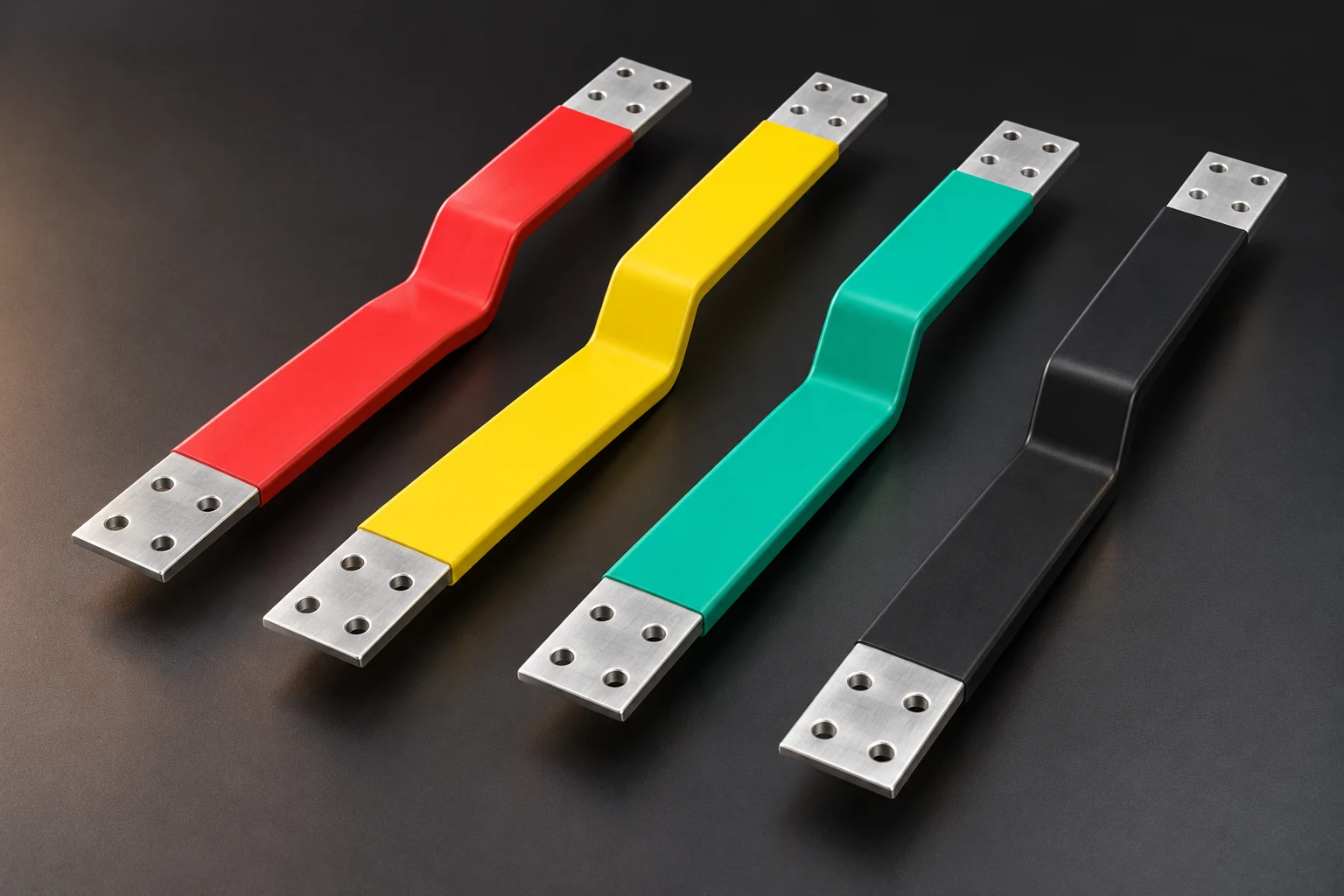
Define the target indoor environment and actual joint state before agreeing mixed-flowing-gas testing with a suitably equipped laboratory. Coupons, bolted assemblies and insulated parts represent different boundaries. Assess appearance and electrical change against separate criteria instead of relying on surface color alone.
Match the method to the environmental objective
IEC 60068-2-60:2015 assesses corrosive effects of indoor operating/storage environments on contacts and connections as individual components, subassemblies or assemblies. The current ASTM B845 2024 reapproval addresses contact devices; other devices require an applicability assessment. Identify target pollution and the connection function being evaluated.
ASTM explains that accelerated gas testing does not reproduce every real environment; cabinet interiors may differ from outdoor exposure. We recommend agreeing boundaries with the team responsible for environmental requirements, treating salt fog and condensation risks separately. A gas-test name does not prove coverage of all climates.
Prepare specimens in the intended connection state
Retain contact materials, coatings, exposed edges, insulation and sealing, including fasteners, washers, preparation and tightening. Bare coupons may support material/coating comparisons but do not replace assembled-joint resistance retention. Identify and mount assemblies in their intended configuration.
Controlled mixed gases require suitably equipped laboratories and safety provisions. Agree method revision, gas conditions, temperature/humidity, flow and exposure history, documenting deviations. Review differing methods/severities separately rather than adopting one universal gas recipe for all Cu-Al busbars.
Connect observations to electrical change
Use consistent pre/post connection and four-wire resistance procedures, retaining measuring points, temperature, specimen state and original results. Agree any in-exposure measurements separately. Do not polish or clean the contact before the post-exposure comparison; that changes the condition being assessed.
Report appearance, corrosion locations, resistance change and insulation checks separately against project criteria. Accelerated testing cannot directly establish fixed service years. Reassess applicability after coating, edge-seal or assembly changes, retaining change and review records.
- Identify the indoor environment
- Separate coupons and assembled joints
- Maintain consistent pre/post measurement
Frequently asked questions
Does a salt-fog pass replace mixed-gas validation? Assess each against the target environment and applicable requirements.
Does absence of visible discoloration establish reliability? Review electrical change, observation coverage and agreed criteria.
RFQ and corrosion-validation inputs
Provide operating environment, joint geometry, coating/seal boundaries, maintenance state and electrical objectives. Agree samples, gas method, reporting and review ownership, separating material screening, assembly validation and environmental applicability.
Apply this guide to a project
Use product pages to identify the hardware family and the calculator for early estimates only. Acceptance depends on drawings, operating conditions and project tests.